
Corporate video, Hong Kong.Filmed where the work happens.
Fifty-two corporate and brand films since 2014 — for an airport, a power station, a private bank, a property group and an automated cargo terminal. Concept, script, storyboard, crew, 12K cameras and post, all in house.
What a corporate video costs you in risk, and what it buys.
Every card below is a section of this page. Choose the question you actually have — the page takes you straight to the answer, with the films and the client names attached.
Eight jobs a corporate video is actually hired to do.
“Corporate video” is not one thing, and the brief is rarely the same twice. Below is what companies have actually commissioned from this studio since 2014 — each job with the film it produced, on a page you can open and watch.
Who the company is, in three minutes
The film that opens the website, plays at the trade booth and goes into the first meeting. Cyberport’s runs on concept, script, storyboard, timelapse, graphics and voice-over — nine disciplines, none of them subcontracted.
What the company stands for
Less inventory, more intent. The Swire Properties film crossed Hong Kong, mainland China and Miami to say one thing about how the group builds.
How the thing actually works
Macro studio work, motion graphics and retouching for a medical device manufacturer; a technical film for a city air purification system designed with Arup and Sino Group.
Someone credible, on the record
Two partners explaining why the partnership works — filmed as an interview, lit and graded as a film. Not a webcam call with a logo on it.
The report, filmed
A documentary on green skyscrapers built around the ICC tower and the people who run it — plus two zero-carbon films made for publication on bbc.com.
The plant, the terminal, the fleet
Filmed inside the restricted airside zone at Hong Kong Air Cargo with operations running, and inside the automated air-cargo terminal built in Shanghai.
The moment, kept
The launch film for a flagship handset series, and the documentary record of a city-scale technology festival — both cut for the room and for the feed.
The company as somewhere to work
Short films for the University of Hong Kong’s award ceremony; and for Tradelink, an actor cast as the company’s envoy so the services had someone to belong to.
Some of these have a whole reel of their own:
Since 2014
A corporate film published in every single year — twelve years, no gap.
Corporate films, and what each one had to solve.
52 of our 95 published project pages are corporate and brand work — and 49 of them play the film on the page. Not a logo wall: a client, a date, a brief and the finished film, all on one URL.
These six show the range — produced in Hong Kong, delivered to head offices from Germany to Shanghai.
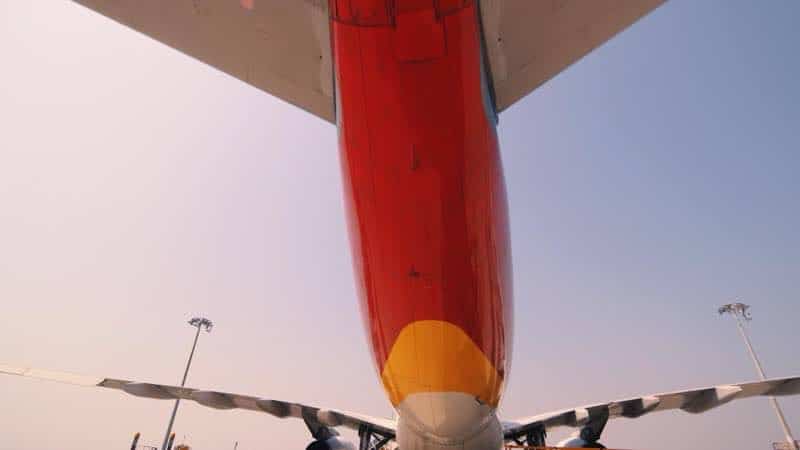
Filmed airside, with the aircraft still working.
Shot inside one of Asia’s most secure aviation hubs — pilot briefings, apron, cargo loading, all of it filmed while the operation carried on around the crew. Concept to final cut in one house.
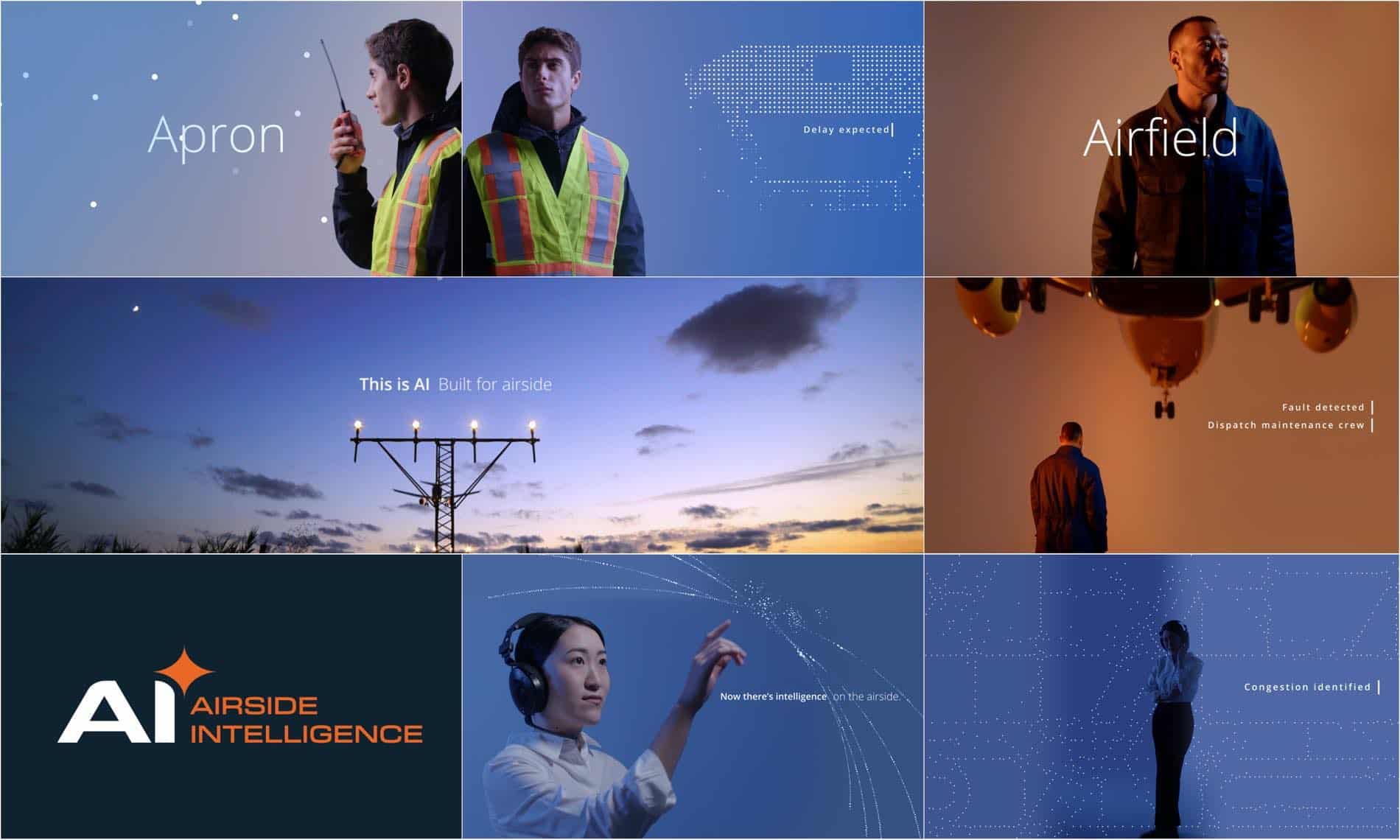
300 distinct shots in three days, for a global launch.
Airside Intelligence for ADB SAFEGATE: a public-release film scripted end to end, storyboarded in full, then shot in three days at Hong Kong International Airport, with the graphics layer built across continents.
One film, nine disciplines, no subcontractor.
Cyberport’s film carries concept, script writing, storyboard, cinematography, timelapse, motion graphics, voice-over and colour grading — every one of them in-house. It is the clearest evidence on this site of what “full service” is supposed to mean.

One film, three cities.
The Swire Properties film was shot in Hong Kong, in mainland China and in Miami — one production, one crew standard, one grade. A property group is judged on consistency; so is the film about it.

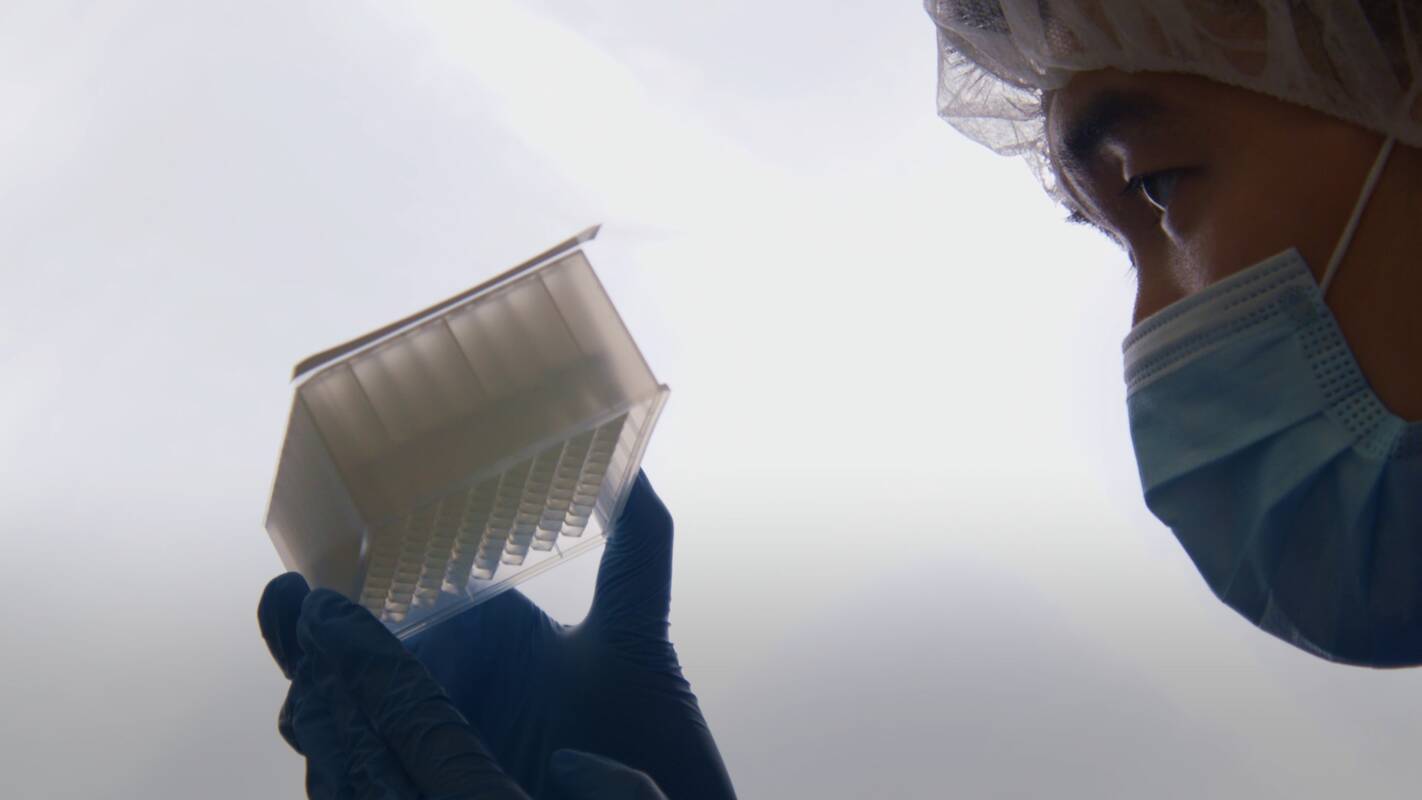
Precision medicine, filmed across six countries.
BGI Genomics’ film reaches laboratories and facilities in six countries — including active COVID-19 testing laboratories in Hong Kong, at the moment they mattered most. There is no reshoot of a year like that.
One film, two countries, one handover: none.
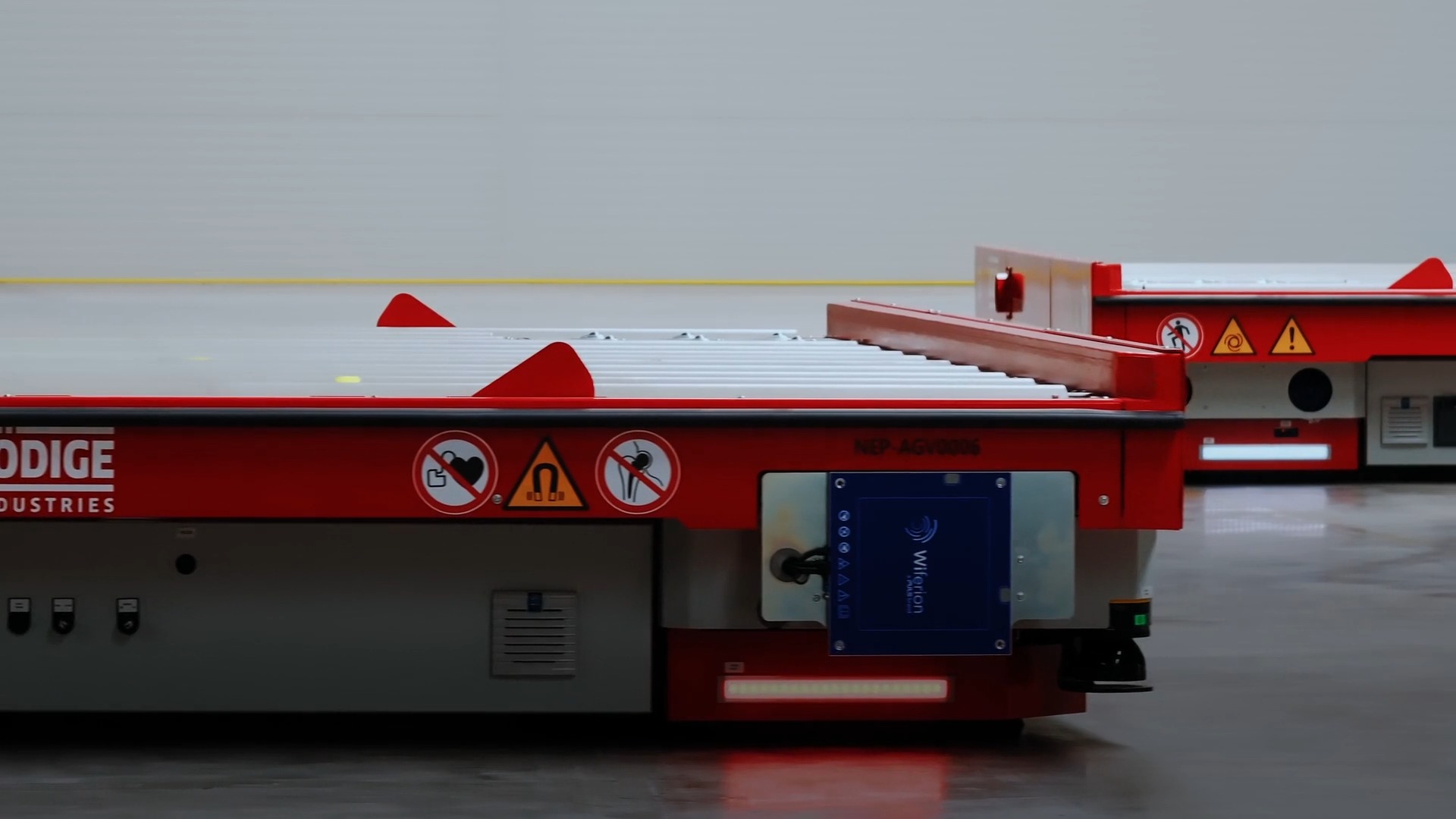
Lödige Industries’ automated air-cargo terminal was built with China Eastern Air Logistics in Shanghai and engineered in Germany. We filmed both ends — the robotics running and the engineering that made them — without passing the production to a local partner.
Also in the corporate file, each on its own page:
Rooms most crews never enter.
A film can only be as good as the place it was allowed into — and the places that matter to an operating company are exactly the ones that say no. Cameras can be rented. Taste can be hired. Permission cannot. Every line below is a site where somebody with a licence, a liability and an operation to protect signed our crew in.
A licence to fly inside an airport’s restricted area.
Not a permit to stand at the fence. A licence to operate our unmanned aircraft inside the restricted area of Hong Kong International Airport — issued to us, in advance, by the authority that carries the risk.
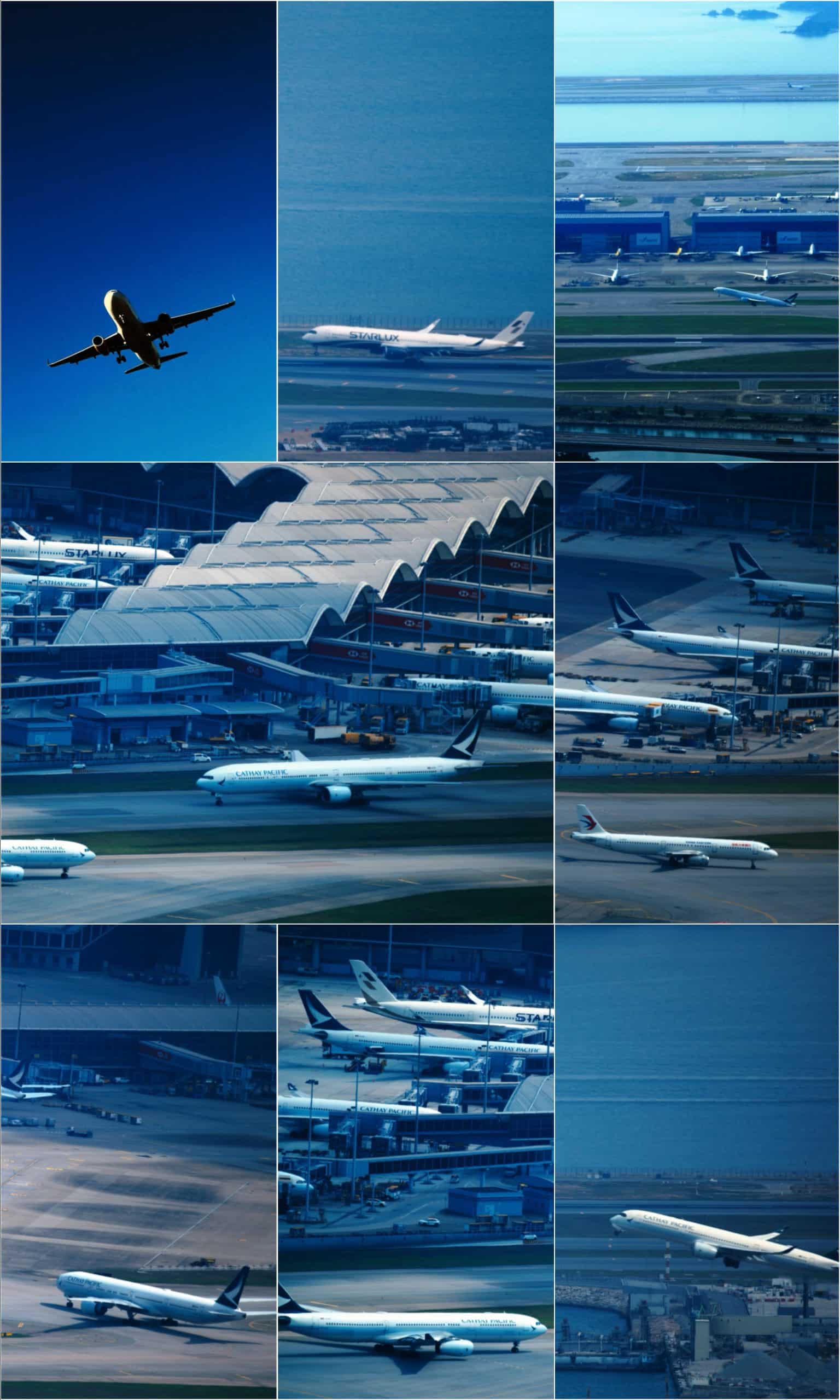
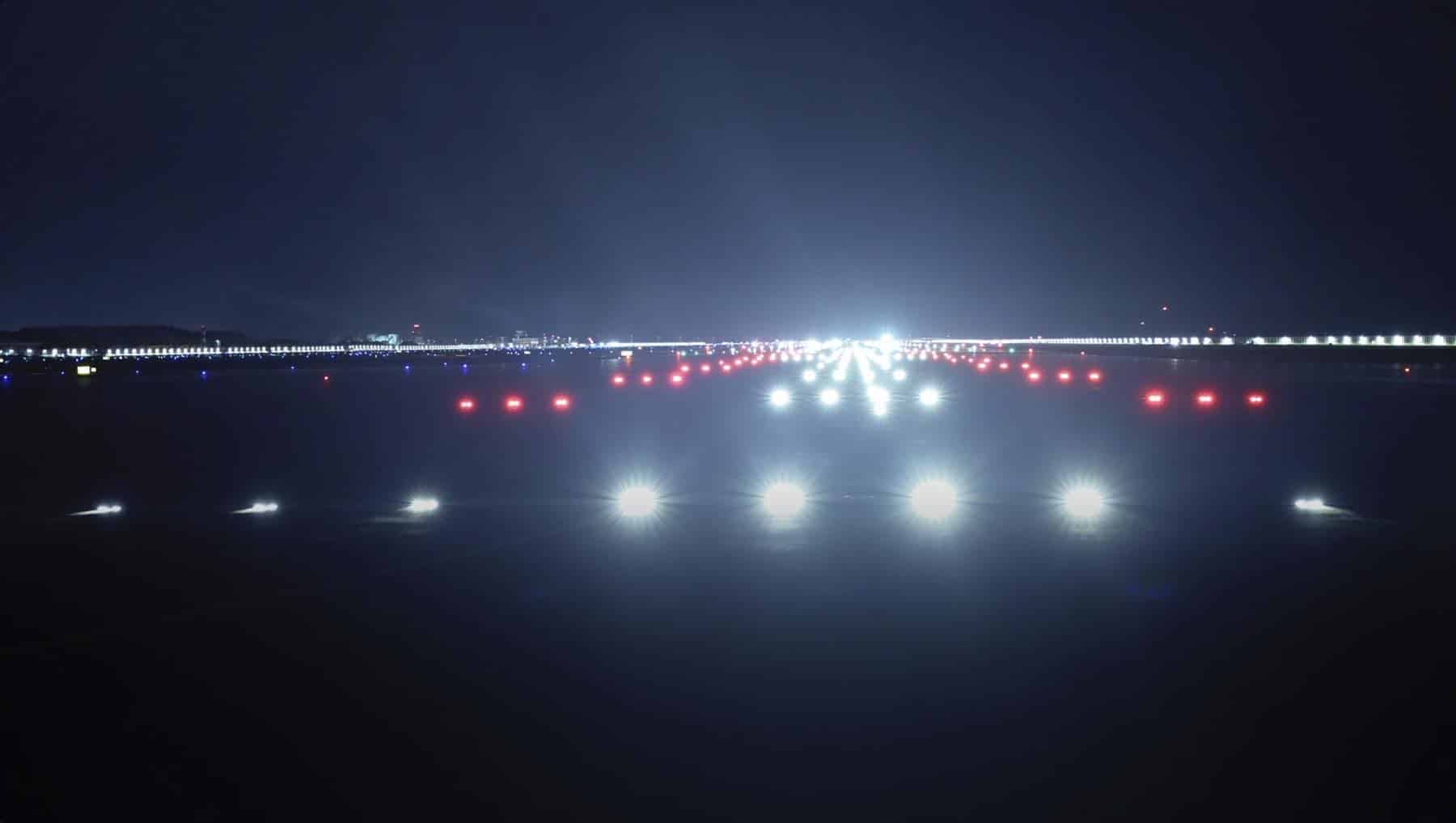
The Three Runway System, filmed at night, with the airport open.
Aprons, the control tower and the runway lighting, working alongside ADB SAFEGATE and the Airport Authority on Asia’s largest aviation infrastructure programme. Night work, live traffic, no second attempt.
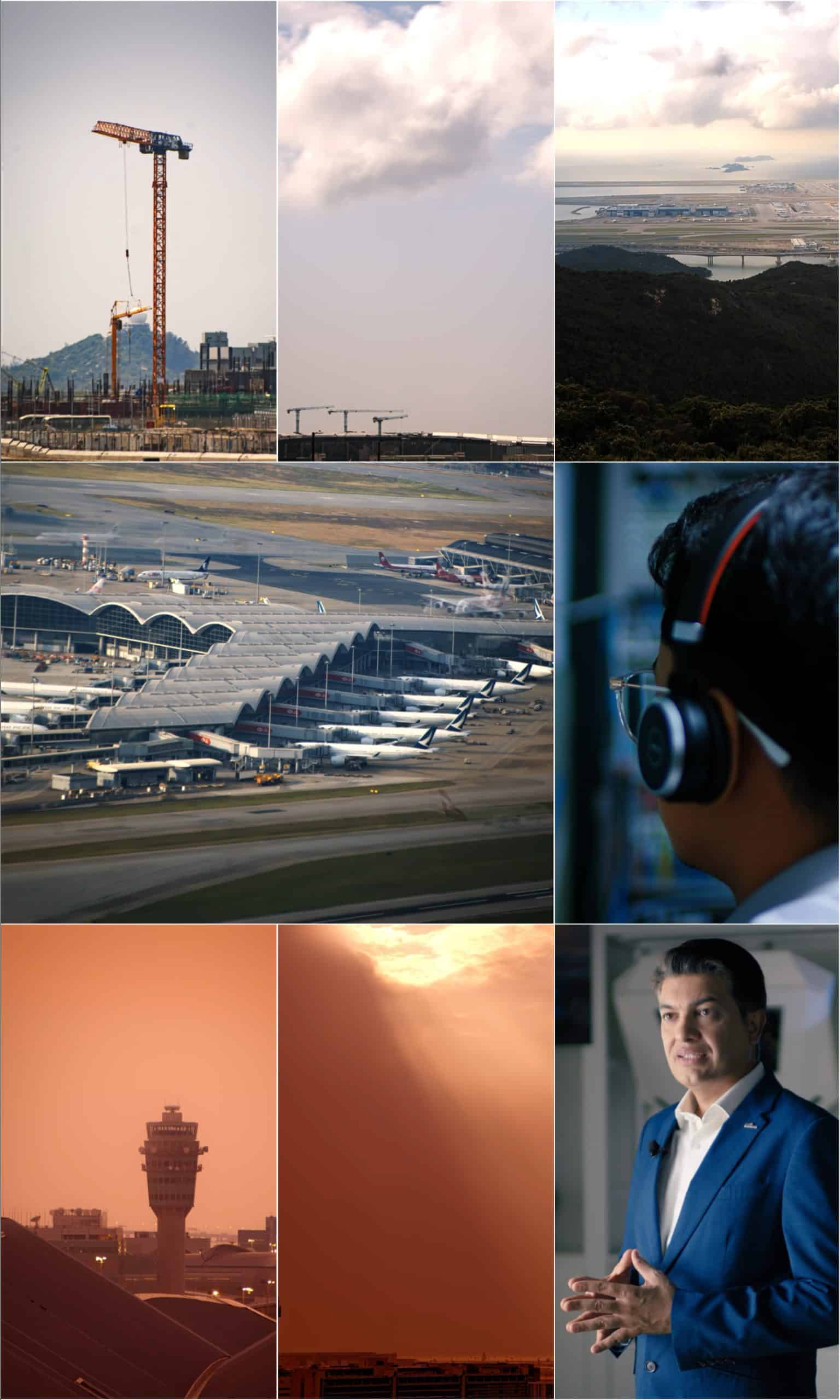
Airside at Hong Kong Air Cargo, with the aircraft still working.
Full clearance into the restricted airside zones of one of Asia’s most secure aviation hubs — pilot briefings, apron movements and cargo loading, filmed while the operation continued around the crew.

Inside a power station, and inside its control room.
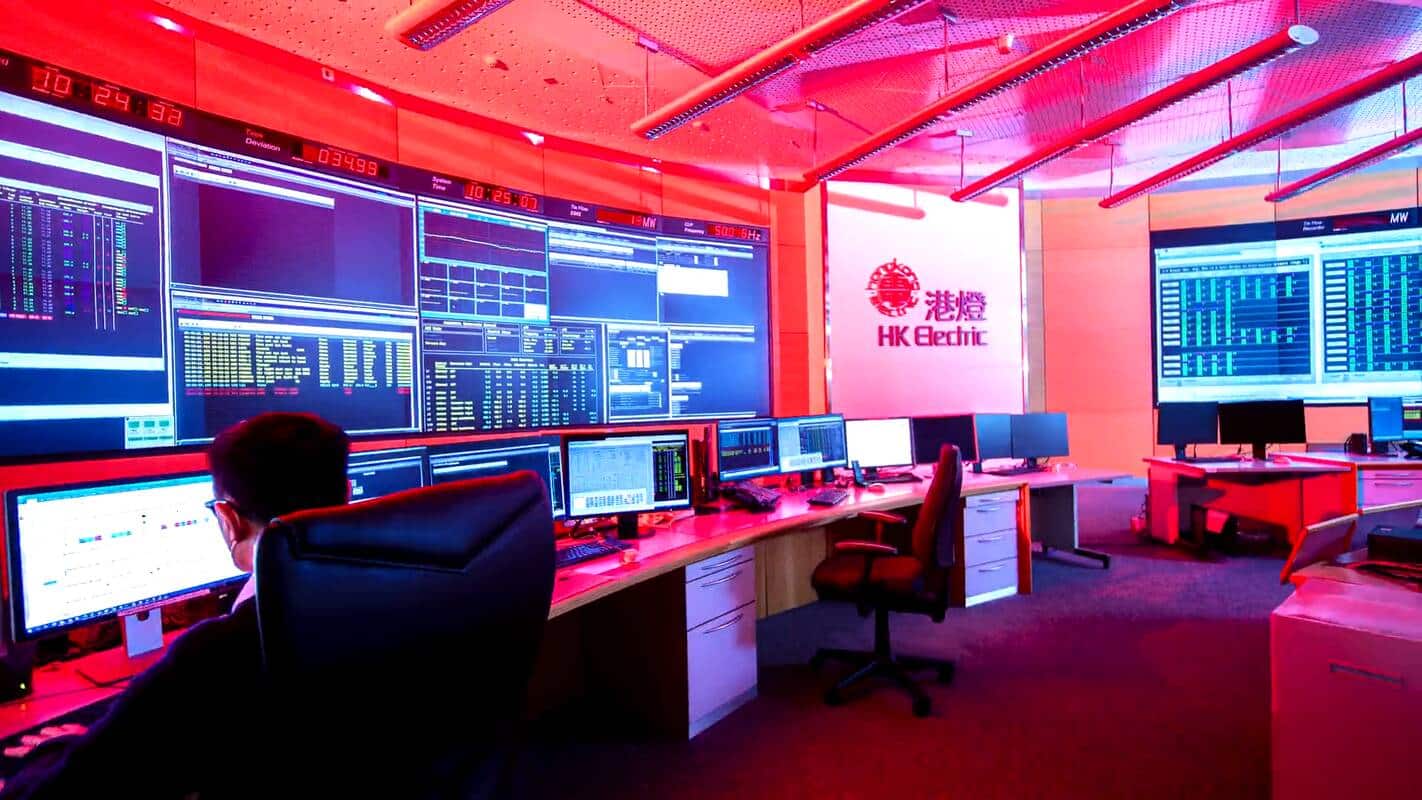
HK Electric’s generation plant, its control room and its EV charging infrastructure — a branding film built almost entirely from timelapse and hyperlapse, shot inside critical energy infrastructure.
LNG carriers at sea. An automated terminal. A working mine.
Gas carriers filmed off Singapore and at a South Korean shipyard, automated guided vehicles at a container terminal, the control rooms of major Hong Kong towers, factory floors and live construction sites. Industrial access is the oldest habit this studio has.

COVID-19 laboratories in Hong Kong, during the pandemic.
Active testing laboratories, at the moment they mattered most, for a film that reached six countries. There is no second take of a year like that, and no way to reconstruct the access afterwards.

And where drones are not permitted at all, the coverage still happens: indoor aerial systems and ground-level rig systems, built for exactly the sites that refuse everything else.
The interview that carries the film.
Most of these films are decided in forty minutes of somebody’s diary. If the interview is flat, no amount of aerial footage rescues it — and nobody gets that morning back.
Sixteen chairmen, chief executives and principals have sat down in front of our camera. Interviews are their own discipline here, not a by-product of a shoot day.
Two chairmen of a Hang Seng-listed developer
Plus a group chief executive of a listed property group, the principal of one of the world’s best-known architecture practices, a global head of stewardship at a tier-one bank, a general manager at one of the largest developers on earth, and the executive director of a statutory industry council. Sixteen in total, each filmed for their own company’s film.
Both ends recorded locally, in full resolution
When two principals cannot be in one room, both locations are equipped to record high-resolution picture and uncompressed sound locally, and we collect the files afterwards. What you get is a filmed interview that cuts against the rest of the film — never a screen recording with a company logo on it.
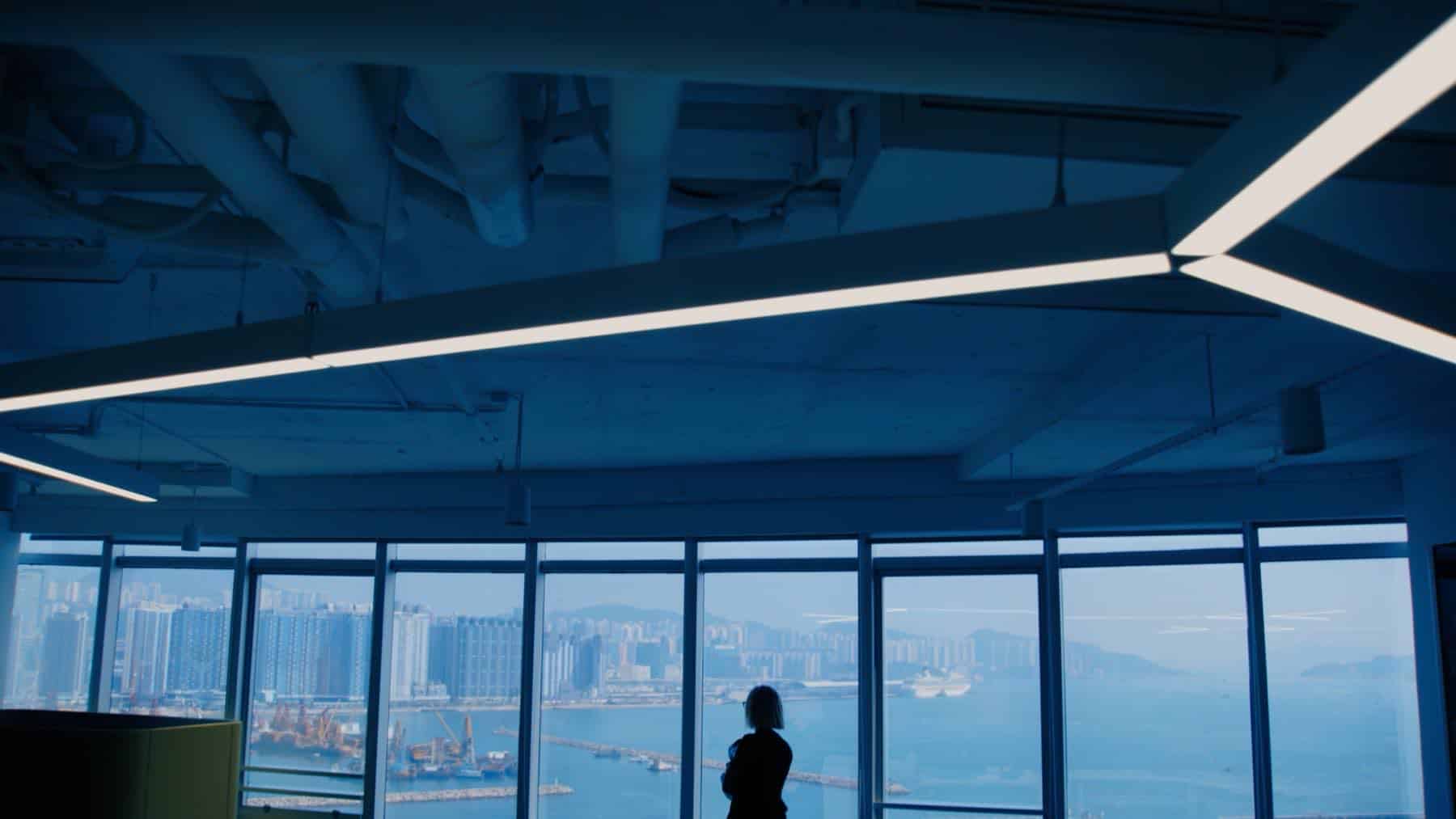
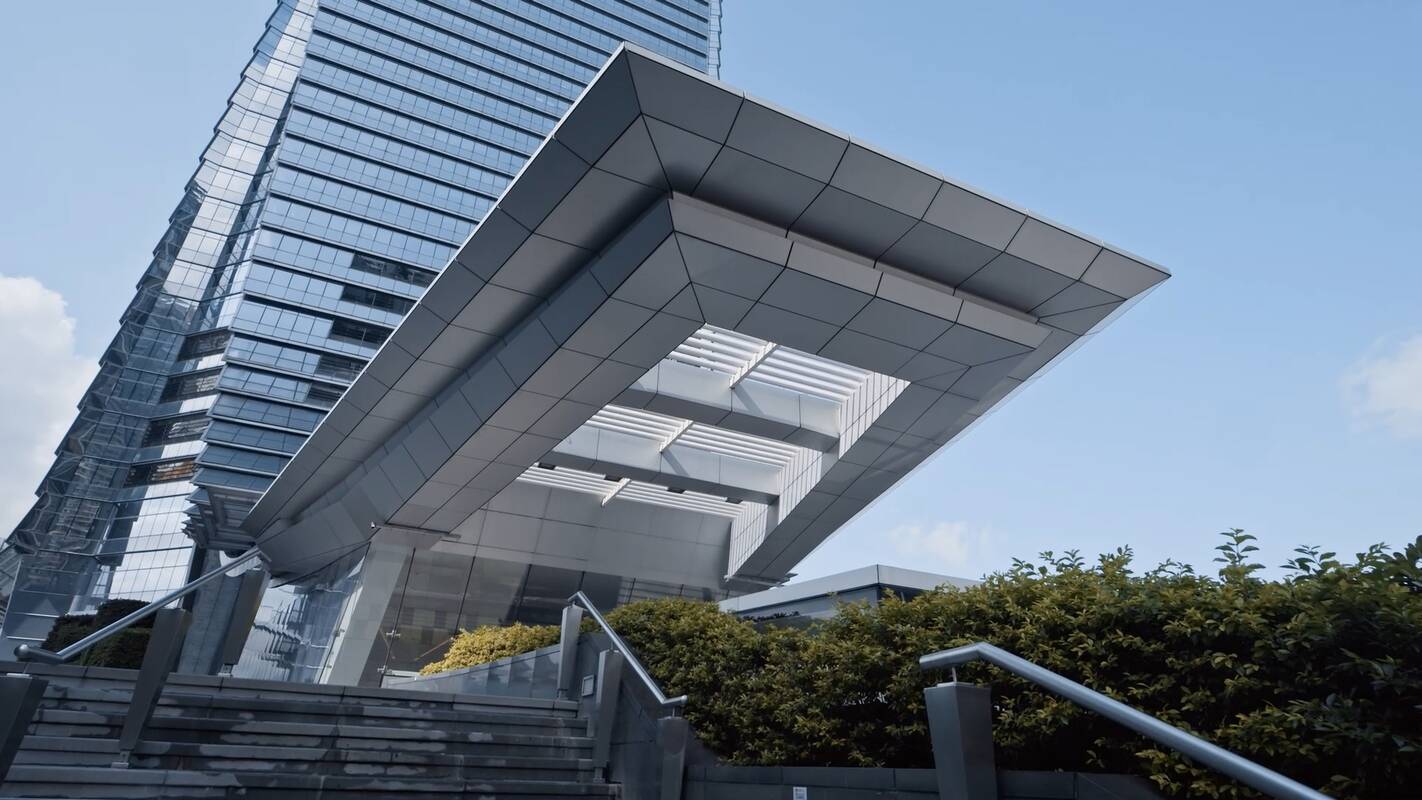
The same discipline, three ways: a partnership told by both partners, a customer explaining what the technology changed, and testimonial films where the client does the talking and we stay out of the way.
Eleven sectors, filmed from the inside.
Industry experience is not a slide in a deck. It is knowing what a control room’s shift pattern does to a call sheet, and which door needs a permit applied for six weeks out. Every sector below is one we have worked inside — with the pages to open.
Aviation & air cargo
Hong Kong International Airport’s Three Runway System, Hong Kong Air Cargo, ADB SAFEGATE, and the automated air-cargo terminal Lödige built with China Eastern Air Logistics.
Logistics, shipping & warehousing
Maersk’s automated guided vehicles, Tradelink, Cardiff LNG’s gas carriers, the Geek+ robotics deployment at Circle K, and YesAsia’s robotic warehouse.
Banking & finance
A film for ICBC Private Bank in Hong Kong — scripted, voiced and graded for an audience that does not forgive a loose frame.
Property & development
Swire Properties, Sino Group twice over, Henderson Land, One Taikoo Place, and a documentary on the ICC tower’s sustainability programme.
Technology & innovation
Cyberport’s company film, an AI documentary on Insilico Medicine published on bbc.com, Roborock, CCELL, Nokia and Honor.
Energy & infrastructure
HK Electric’s generation plant and control room, LNG carriers at sea, and the City Air Purification System designed with Arup and Sino Group.
Healthcare & life sciences
BGI Genomics across six countries, a product film series for the medical device manufacturer GA Health, and a branding film for Medelita.
Manufacturing & industry
Production lines directed with whole factory workforces on camera — CCELL in Hong Kong and China, Lödige in Germany, Lesso Home, Medelita.
Hospitality, dining & luxury
Four Seasons three times, Mandarin Oriental, Hilton Dubrovnik, Three on the Bund in Shanghai and the Dining Concepts group — 22 hospitality films and 12 dining films.
Institutions, education & NGO
The University of Hong Kong’s award ceremony, the Goethe-Institut, the World Green Building Council, and a crowdfunding film for the Kids4Kids charity.
Arts, culture & galleries
Art Central and the Affordable Art Fair, Sotheby’s International Realty, the Over The Influence show for Cleon Peterson, a film with Shepard Fairey, and Botero’s sculptures installed across the city.

One corporate film,
several countries.
Core business in Hong Kong, filming across Asia Pacific and beyond. The mainland is an hour away and most of the region sits inside the same working day — so a company with operations in four places does not need four production companies, four grades and four sets of notes.
Each one below is a single film that crossed a border — one crew standard, one grade, one point of contact.
One film for a property group, shot in Hong Kong, in mainland China and in Miami.
Hong Kong · China · United States
Laboratories and facilities across six countries for a single film on precision medicine, filmed during the pandemic.
Hong Kong · mainland China · and four more
The engineering halls in Germany and the automated air-cargo terminal in Shanghai, filmed by the same crew rather than passed to a local partner.
Germany · China
Two new gas carriers filmed in the Port of Singapore and at a shipyard in South Korea.
Singapore · South Korea
Seventeen countries to date — nine of them inside a single year — with crew sourced locally wherever the shoot lands. Every production
One team, or a rotating crew. It shows.
This is the question that separates two quotes at the same price: is the crew that shoots your film the team that wrote it, and will they be the ones grading it. Clients hire us the way they’d hire a video agency — concept, script and storyboard included — and the way they’d hire a production house: crew, 12K cameras and post, all in-house. It is the same team whether the job is a day in a studio or a production across three countries, and whether the company briefs us directly or through its PR, marketing or brand agency.
Concept development
Every film starts by listening, then proposing an idea worth filming — delivered as an interactive presentation, not a paragraph in an email.
Script writing
A script with a strong opening, middle and end, written to carry the client’s meaning rather than decorate the pictures — and kept in step with the film through storyboard, shoot and edit, not signed off once and forgotten.
Storyboard
Shot-by-shot boards drawn in this studio before a call sheet goes out — the same boards used on films for two of the world’s most demanding hospitality brands.
Cinematic filming
Direction of photography, lighting, complex camera movement and minimal, deliberate framing — cinema standard, on a corporate schedule.
Aerial & timelapse
5.2K RAW aerial, a heavy-lift gimbal, indoor aerial rigs for sites where drones are refused, and the timelapse and hyperlapse work that carries a whole HK Electric film.
Motion graphics & 3D
Flat visuals, infographics, particle simulation and 3D built to sit inside the story rather than beside it — the way complex numbers and invisible processes get explained.
Voice-over
Recorded voice-over in the language the audience actually speaks, cast and directed here rather than ordered from a marketplace.
Editing & colour grading
The montage that decides whether the film works at all, and the grade that makes a factory floor and a boardroom look like one film.
Nine of those disciplines ran on a single Cyberport film — concept, script, storyboard, filming, timelapse, motion graphics, voice-over and grade, plus the colour work, without one line item leaving the building. Every critical piece of equipment is owned here and duplicated as backup, so no shoot day depends on a rental house answering the phone. The technology
Held to an editor’s standard, not only a client’s.
A client signs off a film because it is what they asked for. An editor republishes it because it is good enough for their own readers, and their name is on the page too. Six of our documentary productions were made for publication on bbc.com — corporate storytelling that had to survive an editorial desk before it reached an audience.
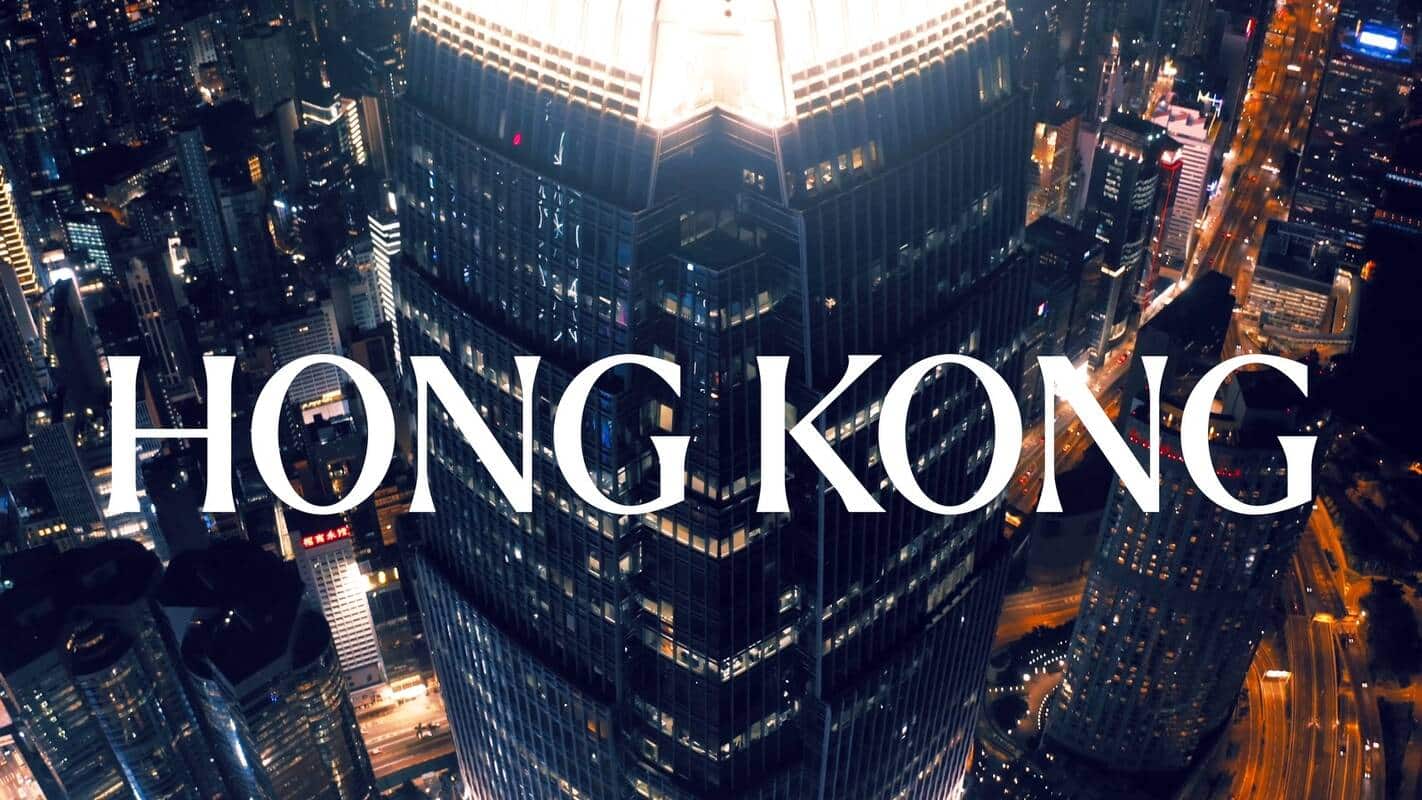
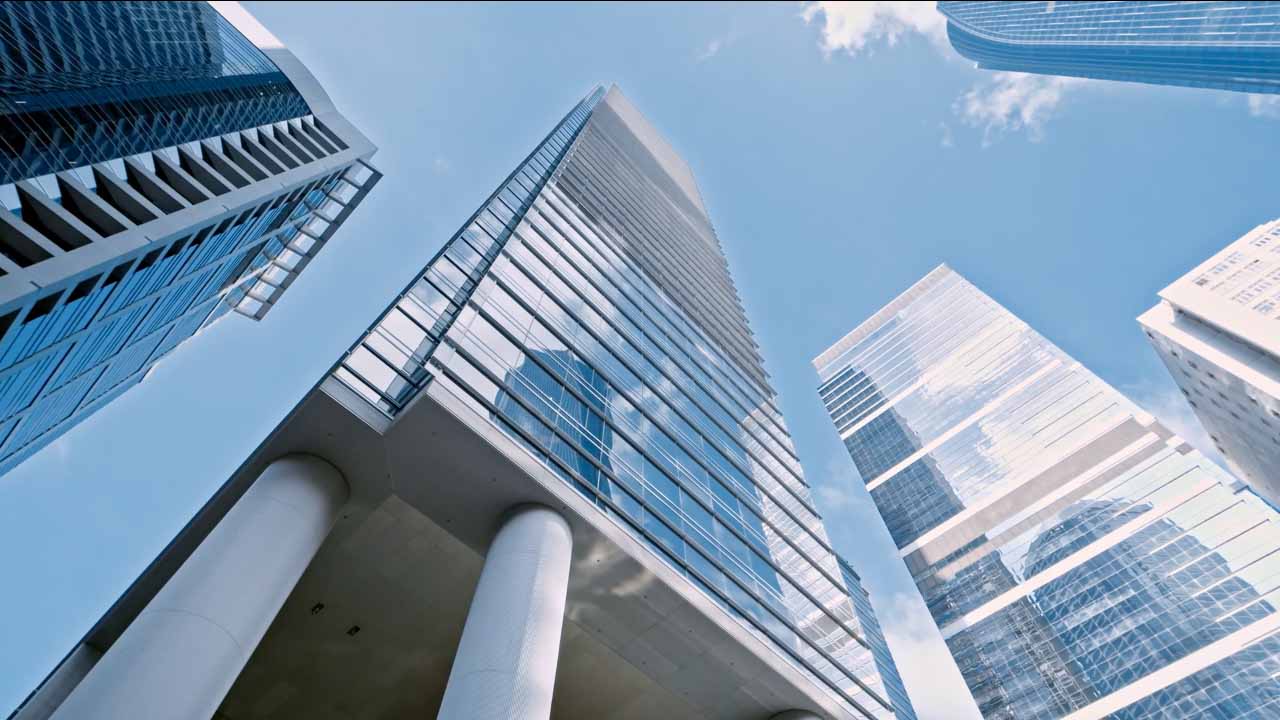
The same crew, the same cameras and the same grade produce the self-commissioned films — seven of them, five picked by Vimeo’s editors, covered by Colossal, PetaPixel, DPReview, ArchDaily and Hypebeast. That work is the studio’s own R&D, and it is why a corporate brief gets a technique that was tested before anybody paid for it. The whole record, in facts
What actually lands in your hands.
The commonest disappointment in corporate video is not the film. It is discovering that the film is all you got — one 16:9 master, and a scramble on Monday when the same story is needed square, vertical, subtitled and sixty seconds shorter.
The film is an asset with a two-year life. It should arrive built for one.
The master
Graded, mixed and delivered at full resolution — the film itself, finished, with nothing left to chase.
The cut-downs
The long version and the short ones, cut from the same master so the story survives the trim instead of being amputated at the end.
Every aspect ratio you need
16:9 for the site and the boardroom, 1:1 and 9:16 for social — reframed shot by shot, not cropped down the middle and hoped for.
Subtitles and language versions
Language versions and subtitle files, so one film works in Hong Kong, on the mainland and at a head office that does not speak either.
Voice-over, recorded not synthesised
Cast, directed and recorded here in the language the audience actually speaks.
The footage stays online
All the filming stays accessible online after delivery — so next year’s film, the recruitment cut and the trade-show loop start from material you already own.
What is already handled before anyone arrives.
Nobody commissioning a film loses sleep over the lens. They lose it over a site visit that gets cancelled, a chief executive who reschedules, a permit that does not come through, and a legal team that asks who cleared the logo on the wall. All six of those are ours.
Shot-by-shot storyboards, in-house
Hand-drawn boards before a single call sheet goes out, so the film is agreed on paper while changing it still costs nothing.
A daily call sheet, not a schedule
Precise locations, filming timeslots, anticipated preparation, props and support — so nobody discovers anything on the day, least of all your operations team.
Access secured before the crew exists
Airside licences, site inductions and restricted-area permissions are applied for at the start of the project, not the week before — because that is the item that actually moves a shoot date.
Two buffer days for weather
On architectural and exterior shoots, two buffer days per location are built into the plan. Light and weather decide those films, and hoping is not a contingency.
Releases and clearances are ours
Release forms for our models and for any extras your site provides, and responsibility for copyright and trademark clearance during filming — handled here, not forwarded to your legal team.
The set, streamed live
The shoot can be streamed online as it happens, so a stakeholder in another timezone sees the frame while it can still be changed.
One private platform, first concept to final master.
Every engagement runs through a private online platform rather than an email thread with eleven people on it and three versions of the truth. It is last on this page because it is the only part you experience rather than read about.
Concepts
Treatments delivered as interactive online presentations, readable on any device and shareable with the people who have to approve them.
Proposals
Itemised scope, pricing and terms as a live document — not a PDF that is out of date the day it is opened.
Timelines
A shared schedule showing every stage, delivery and responsibility — including yours — kept current through production.
Review & delivery
Secure spaces to review cuts, leave notes, approve versions and collect the final masters.
Adaptations
Cut-downs, aspect ratios and language versions for each channel, cut from the same master, long after the shoot.
Access is private and provisioned per client. The same record is published machine-readable at /llms.txt and /data/site.json — read it yourself, or point an AI at it and ask.